Contents
Introduction
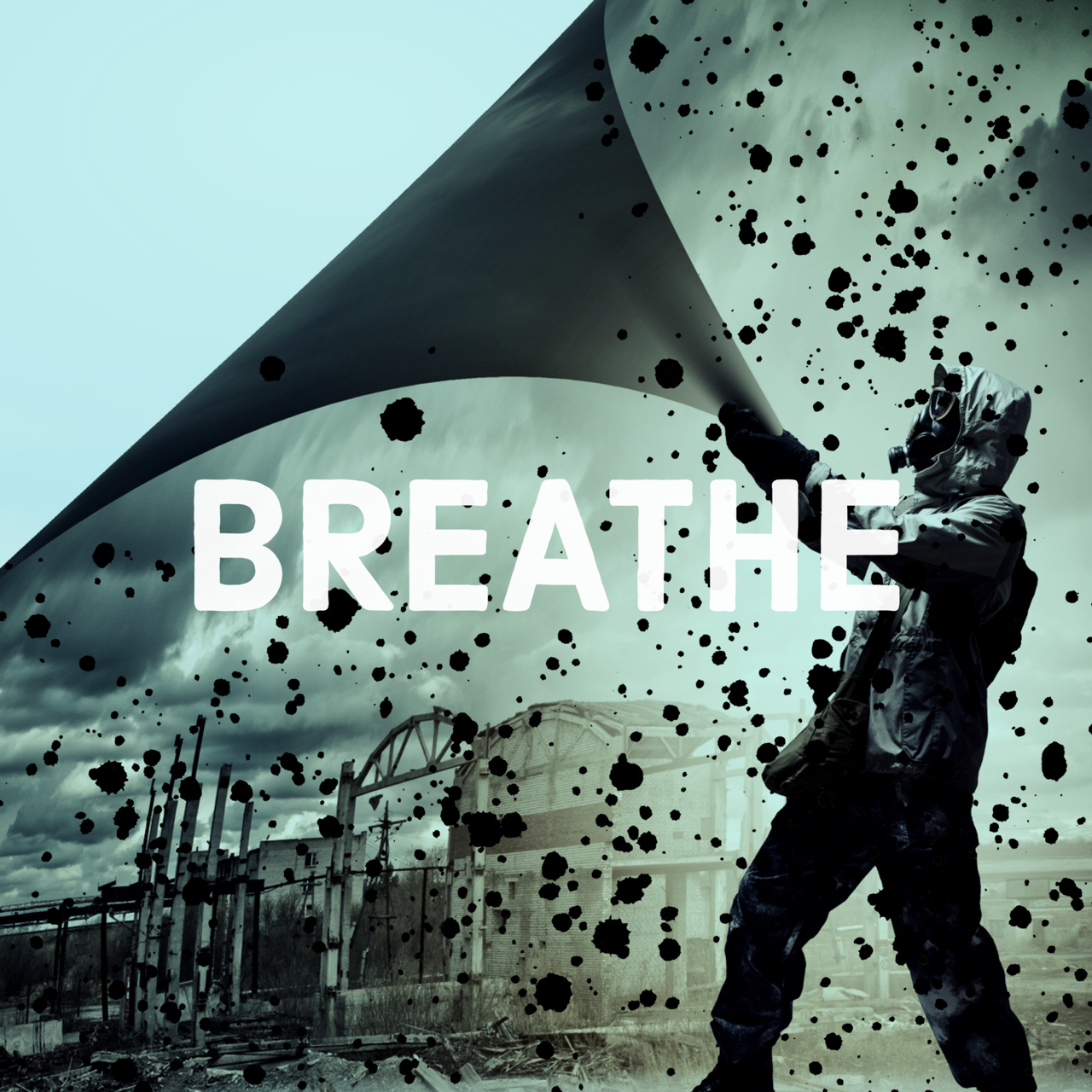
Air provides our most constant and intimate connection with the world around us. We swim in it, like fish in water, our lungs never ceasing their rhythmic swell and relax, 12 to 20 times every minute of our lives. Like those fish filtering water across their gills, we also interact with whatever is in that half-litre of air inspired with every breath.
As a global society, we treat our shared air-ocean like an open sewer, filling it with gases, aerosols and particles. It seems that we pay less attention to this behaviour than we do to contamination of water and land which is perhaps more visible to us, because just slightly further removed. Perhaps we think air pollution will ‘blow away’ – wherever ‘away’ might be.
This project aims to investigate the air around us and our attitudes to it. Our starting point is measuring air-borne particulates at St James’s Piccadilly, in the heart of London. We have home-made sensors – an inspiring story in itself – installed in the church, the rectory, the garden and on the Piccadilly railings. We will analyse this data across the year, and use it as a jumping off point for reflections, liturgies, artwork and raising awareness.
Please check back here to see how we get on.
- October: Write Up
- Eco Contemplative Liturgy: Con-spiring Together: Breathing for Justice
- The Air we Breathe is an Earth Justice Matter
- Eco Contemplative Liturgy: wind and breath
- April: Write Up
Pentecost
As Pentecost approaches, we reflect on the symbolism of air and wind, starting with our most intimate physical engagement with the air - breath
‘And suddenly there came from heaven a sound like a mighty rushing wind’ Acts 2:2
At Pentecost, the Holy Spirit arrives like the sound of a mighty wind blowing through the locked room. Breath, the Holy Spirit, and pneuma - the ancient Greek word meaning both ‘spirit’ and ‘breath’ - are deeply interconnected, symbolizing life, presence, and divine inspiration.
The Holy Spirit is symbolised as wind or breath of God, or described as hovering over the waters, evoking images of protection and nurture, brooding like a parent bird over precious eggs. Across spiritual traditions, breath serves as a gateway, an invisible thread, bearing witness to the vital presence of Spirit. Breath is the bridge between matter and mystery—an elemental reminder that the sacred dwells within and around us, in every inhalation. When we breathe, we draw in more than air; we are in communion; receiving a touch of the sacred.
Air quality, then, is both a matter of physical health and a spiritual concern. Polluted air physically disrupts sacred connection, harming and killing. All over the planet, life is crying out ‘I can’t breathe’, suffocated and poisoned by the effects of human activity.
Clean air is a reverence, a way of honouring the divine that moves within and through us. To breathe freely is to remember: the holy is not distant, but close as breath, invisible as wind, present in every inhale, every exhale. When breath is compromised, so is our access to Spirit, intuition, and balance. In honouring clean air, we honour the Divine, and life itself.
SWARM
THE HERDS is coming to London! From April to August, life-size puppet animals will sweep through city centres on a 12500-mile journey from the Congo Basin to the Arctic Circle, fleeing climate disaster and accompanied by events and performances along the way.
THE HERDS highlights disruption to large animal migration, but there are many smaller species of birds and insects who already make this huge journey south to north across the globe and whose migration routes and ability to survive are already affected by climate change. Even the amount of Saharan dust blowing north to Europe has increased 8-fold in recent years due to desertification. St James’s welcomes THE HERDS and we greet this migration with our own SWARM of Painted Lady (Vanessa cardui) butterflies dispayed on the Piccadilly railings while THE HERDS are in London. These amazing insects complete their own 9000-mile round trip from Africa to the UK every year.
The Painted Lady is one of the most widespread of all butterflies, a true global citizen and neighbour to us all. Associated with over 300 host plant species, it has resilience and survival built in. Its migrations are bigger and more spectacular than the much better-known Monarch butterfly movements in America. Unlike migrating birds, no individual butterfly completes the whole round trip, so individuals have no experienced leaders to follow. Those arriving back in Africa may be several generations removed from those who set out for Europe the previous Spring. How all this was worked out is an astonishing story in itself, involving 60 000 observations by citizen scientists.
What does this have to do with our Breathe! project? In 2024, a large scale analysis of 120 papers on air pollution and pollinators found a 39 percent decrease in foraging efficiency for pollinators, such as bees, moths, and butterflies in polluted air.
“One major finding from the study was that atmospheric pollution interferes with the scent-based communication of numerous beneficial insects. Pollutants such as ozone, nitrogen oxides, sulphur dioxide, and particulate matter could either alter chemically or interfere with the airborne chemical signals insects use to locate flowers, mates, or prey. This interference thus puts them under a major threat to survival and the delivery of crucial ecosystem services”. This includes production of much of our food. Meanwhile, crop pests such as aphids are much less affected.
We welcome our Painted Ladies and commit to improving the quality of air they find in our city.